

At Refresh Outreach Ministries, pastoral counseling is rooted in biblical truths and designed to offer spiritual guidance, emotional support, and practical solutions for those facing life’s challenges. This ministry embodies the compassionate heart of Christ, creating a safe space for healing, restoration, and personal growth.
Key Features of Pastoral Counseling:

Biblically-Based Guidance: Counseling sessions are based on scripture to address emotional, relational, and spiritual issues.
Confidentiality: All sessions are private, ensuring a secure and trusted environment for sharing.
Prayer and Spiritual Encouragement: Each session includes prayer and spiritual encouragement to seek God’s guidance and strength.
Holistic Approach: Combines biblical insights with practical strategies to foster emotional and relational well-being.
Referral Support: For more complex situations, pastoral counseling collaborates with trusted Christian professionals and external resources.
HOW PASTORAL COUNSELLING WORKS
Initial Contact and Assessment:

Schedule an appointment through the church office or online.
During the first session, the counselor listens to the individual's concerns and determines how the church can provide support.
Defining Goals

Establish clear objectives for counseling, whether it’s overcoming a specific challenge, fostering spiritual growth, or resolving relational conflicts.
Scripture and Prayers

Use of relevant Bible verses and prayer to guide the conversation and provide spiritual encouragement.
Practical Guidance
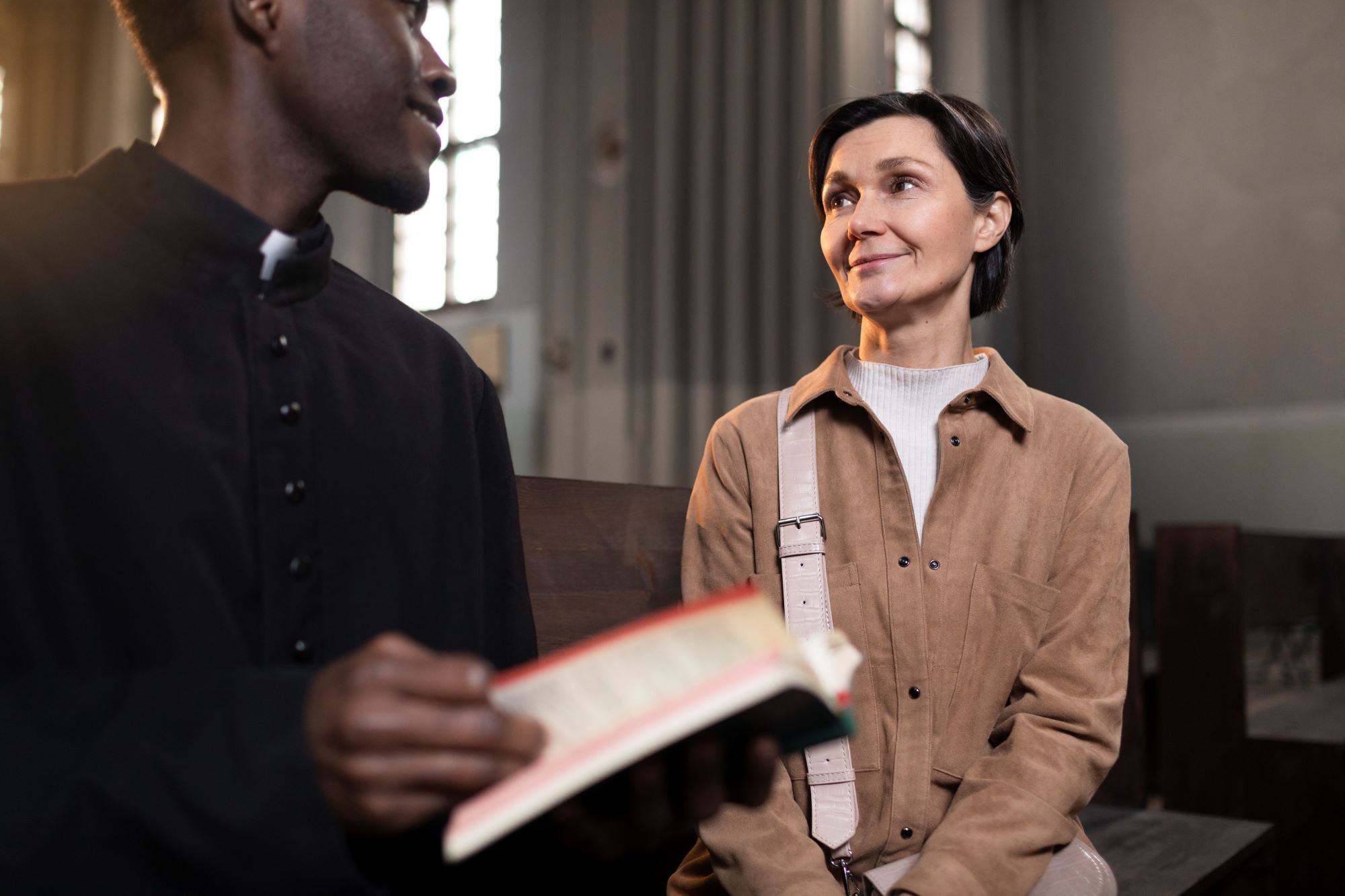
Provide actionable steps based on biblical wisdom, such as improving communication, managing emotions, or building stronger faith practices.
Community Integration

Encourage involvement in ministries like Kingdom Sentinels, Women of Valor, or The Tribe of Josiah to build a supportive faith community
Regular Follow-Ups

Schedule ongoing sessions as needed to track progress and provide additional support
Referral If Necessary

The church offers referrals to trusted Christian professionals if the individual requires specialized support (e.g., professional therapy).